


Product concept
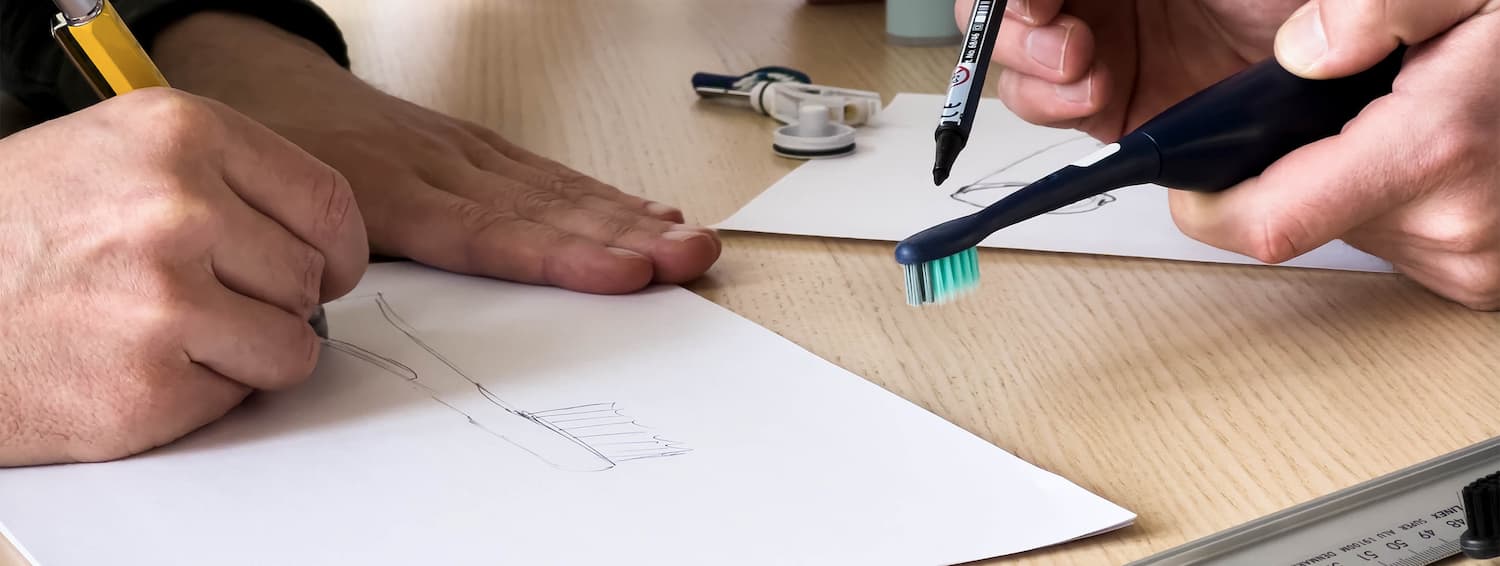
We start with a cross examination.
Which questions should you ask yourself at the beginning to develop a well-thought-out concept?
What is your goal?
Mission, Vision – Why do we do what we do? What exactly do we want to offer? How do we want to do it?
Who are the users – and based on which criteria will they decide for or against using our product?
Who are the buyers – and based on which criteria will they decide for or against purchasing our product?
What are their processes, and which steps within these processes are the most important?
What is the clear focus/USP, and do the buyers recognize it? Why hasn’t the product been realized this way before – what could the potential challenges be?
Which requirements can we eliminate to simplify our product? Which features will our customers actually pay for?
In what ways will our solution be better for them than existing options? (e.g., simpler, cheaper, more accessible)
What is your goal?
Microfluidic chip platform or full lab-automation module? High-precision tabletop instrument or clinically robust medtech wearable? A single proof-of-concept device or a scalable Series-0/Series-A manufacturable system? Should your hardware manipulate droplets, analyze cells, move reagents with sub-microliter accuracy, maintain biological environments, or simply deliver reliable, elegant performance at scale?
We’re confident you can answer these questions easily – and all the others we can clarify together. Because if you want to work with us, you have an innovative idea and, naturally, cannot define your product down to every detail.
Well thought-out concepts.
How can I verify my concept?
In general: the best approach is to give people a product (a prototype) and have them think out loud while trying it out or using it. Observing someone performing a task will reveal where the real problems and inefficiencies lie—not just where the user thinks they are. Often, at the beginning, you won’t have a prototype yet, so surveys can help. However, you need to be careful to avoid starting development based on false assumptions:
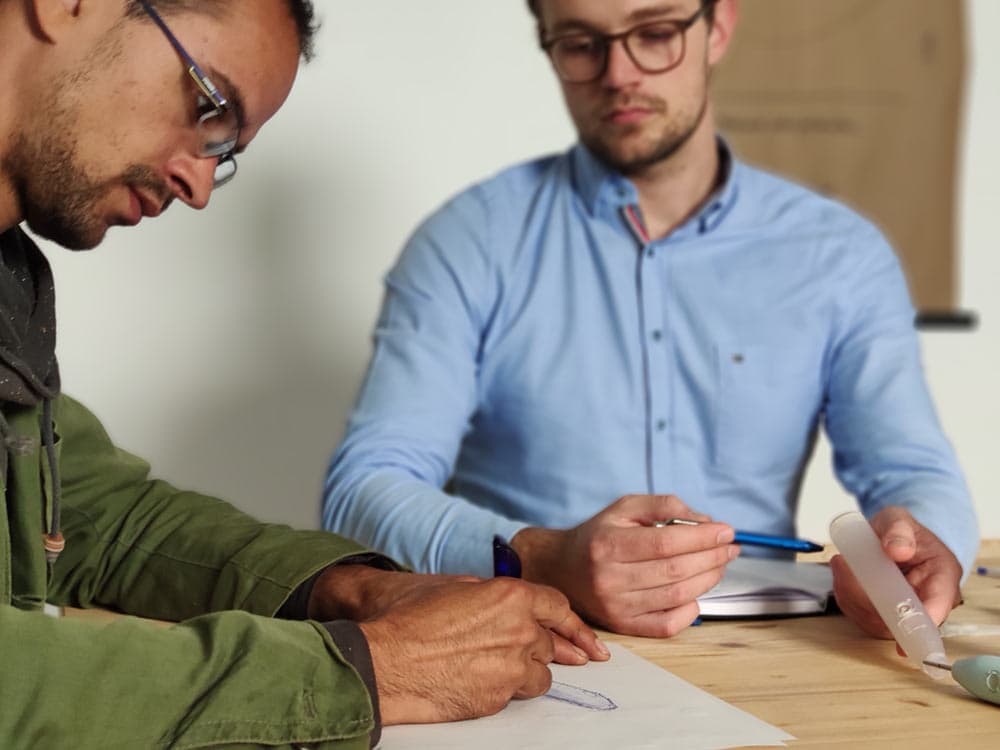
People want to tell you what they think you want to hear. In other words, they may lie—intentionally or not.
People know their problems, but they don’t know how to solve them. The problems belong to your customers, the solutions belong to you.
If people haven’t actively looked for solutions yet, they won’t search for—or buy—yours.
Objective
Second Opinions
You can avoid many wasted efforts by withholding the concrete solution from people and ensuring they don’t realize they are participating in a survey:

Our Checklist:
Talk about their life, not your idea.
Ask about specific experiences in the past rather than generalities.
Ask for opinions about the future.
Talk less and listen more.